

What Happens Before Building Starts: Preparing Land for Spring Construction Projects
April 1, 2026
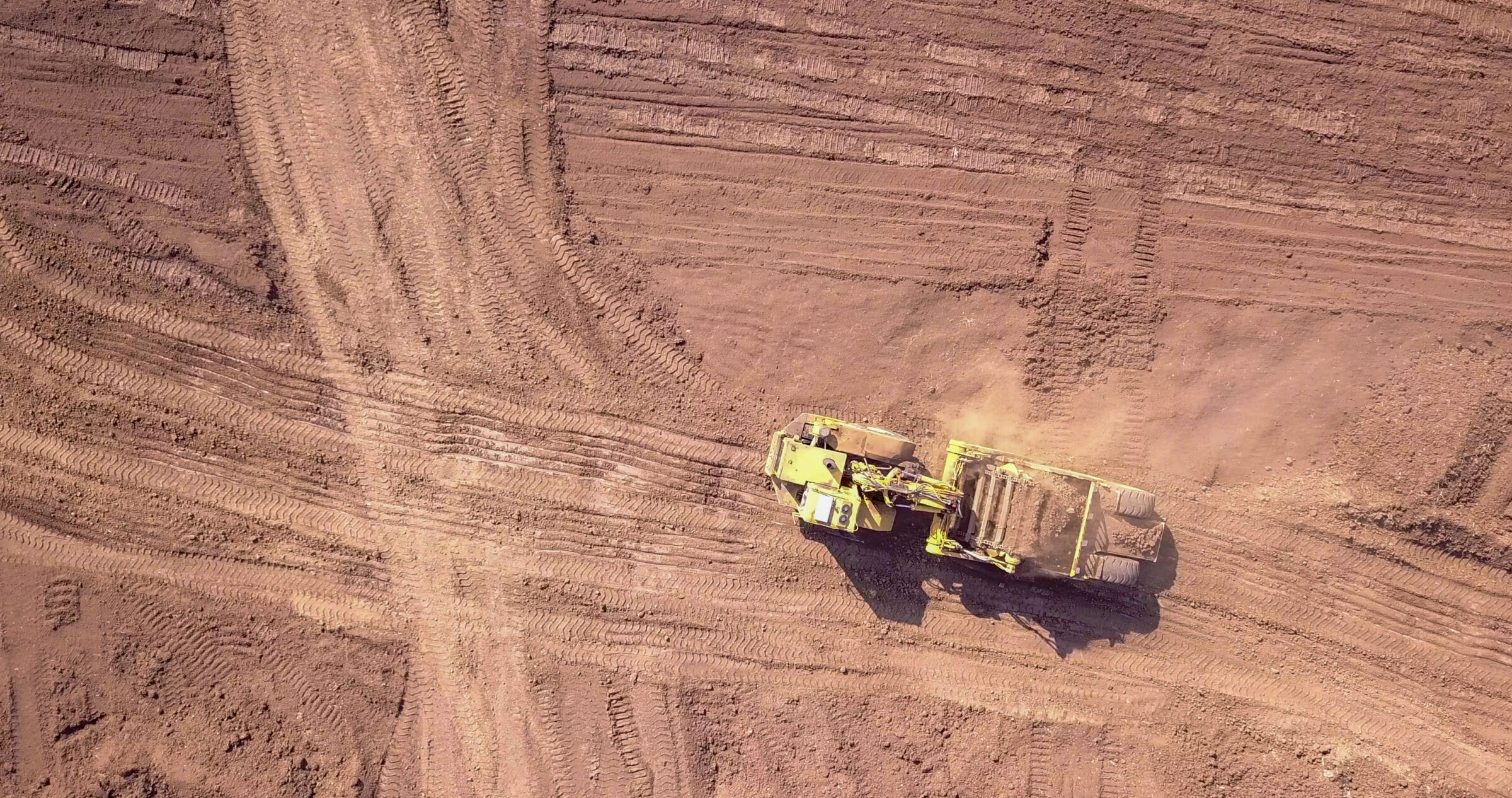
Ground conditions set the tone for everything that follows on a construction site. Spring often brings renewed activity across commercial development, but meaningful progress begins long before the first structure rises from the ground. Soil movement, moisture conditions, and equipment load place immediate demands on the land, which makes site preparation a material-driven process rather than a simple clearing exercise.
Aggregates sit at the center of that process. From stabilizing exposed soil to forming structural working surfaces, properly selected stone and gravel establish the foundation that allows crews, equipment, and concrete placement to move forward without interruption.
Clearing and Grading Establish the Site Framework
Vegetation removal and initial grading reshape raw land into a workable footprint. Roots, organic matter, and loose topsoil hold moisture and compress under load, creating unstable ground conditions for heavy machinery. Stripping these materials exposes the mineral soil beneath, which becomes the base layer for structural preparation.
Earthmoving equipment then regrades the site to control elevation and drainage. Water movement across the property becomes a key factor at this stage, particularly during spring thaw when saturated soil can shift under repeated equipment passes. Proper grading directs runoff away from work zones while establishing the slopes needed for future pavement and building pads. Once these contours are established, aggregates begin to play a larger role in reinforcing the prepared ground.
Aggregate Layers Stabilize Working Surfaces
Heavy equipment introduces concentrated pressure that quickly breaks down untreated soil. Dump trucks, excavators, and concrete mixers require a stable surface capable of supporting thousands of pounds moving repeatedly across the same paths. Crushed stone spreads that load through interlocking angular particles that resist displacement under pressure.
The first layer typically consists of larger crushed aggregate that bridges soft spots and spreads weight across a wider footprint. Compaction equipment then forces those particles into tighter contact, increasing internal density and reducing movement between stones. Each pass of the compactor locks the material together, transforming loose aggregate into a firm working platform. A finer aggregate layer may follow to tighten the surface further. Smaller particles fill the void spaces between larger stone, creating a surface that supports vehicles while limiting rutting and shifting during ongoing site activity.
Drainage Materials Control Spring Moisture
Spring construction sites rarely begin in dry conditions. Snowmelt and seasonal rain introduce moisture that moves through soil layers and collects beneath active work zones. Without proper drainage materials, that water softens the ground and reduces the load capacity of the soil. Gravel layers address this challenge by creating pathways for water to move away from critical areas. The open structure between stone particles allows moisture to pass downward rather than pooling beneath equipment routes or building pads. When placed beneath base layers or around foundation zones, drainage aggregate directs water toward designated outlets or stormwater systems and limits soil saturation beneath structural areas.
Subbase Construction Prepares for Concrete and Asphalt
Once the site supports equipment traffic, attention shifts toward the areas that will carry permanent structures. Parking lots, roadways, sidewalks, and slab foundations require a subbase capable of distributing structural loads through the ground beneath. Crushed aggregate forms this structural layer. Compacted stone spreads vehicle weight or building pressure across a broader area, which reduces concentrated stress within the soil below. Without that layer, concrete slabs and asphalt pavement would experience uneven settlement as underlying soil shifts under load.
Grading crews carefully place and compact the subbase material to match the elevations required for paving or concrete placement. Each lift of aggregate becomes part of a layered system that stabilizes the surface before the next construction phase begins.
Material Selection Shapes Long Term Surface Stability
Aggregate selection changes depending on the role each layer plays across the job site. Larger crushed stone handles load distribution in early stabilization layers, while well-graded materials tighten surface structure in subbase construction. Washed gravel often supports drainage zones where water movement becomes the primary concern. Particle shape, gradation, and compaction behavior influence how each material responds once equipment and structures begin applying pressure. Angular crushed stone locks together under compaction, while rounded gravel promotes water flow where drainage becomes the priority. Matching the aggregate type to the specific function on the site strengthens the overall ground structure supporting the project.
Spring construction schedules often focus attention on concrete placement, steel erection, and visible building progress. Yet the physical groundwork that supports those milestones takes shape earlier through grading, drainage control, and aggregate placement. Preparing land for construction therefore becomes a process of shaping the ground itself. With the right aggregates placed and compacted at each stage, the site transitions from raw earth into a stable platform ready for the next phase of building.