

Urban Concrete Homes: Design Benefits and Structural Considerations for City Living
December 1, 2025
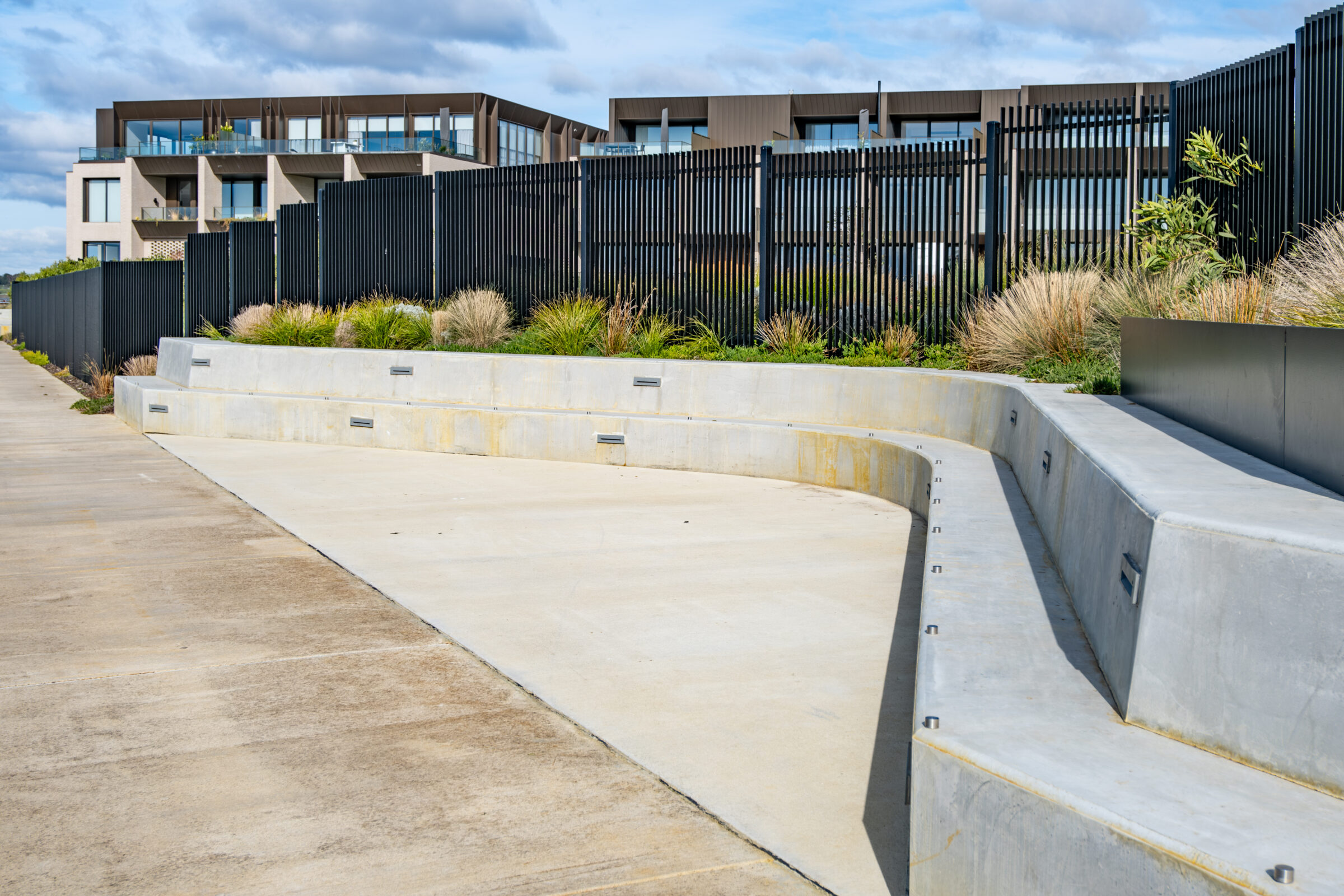
Urban environments are changing, and concrete is at the heart of that transformation. As cities grow denser and sustainability takes precedence, concrete homes are redefining what modern living looks like in compact environments. With the same strength, versatility, and architectural accuracy that it is renowned for in commercial building, concrete is now influencing home design.
Building for Density and Durability
City living comes with limited space, constant noise, and structures face greater exposure to vibration, temperature swings, and air pollution. However, concrete meets these challenges with ease. Its density acts as a natural sound barrier, reducing urban noise intrusion without the need for excessive insulation. The same mass that creates silence also helps stabilize indoor temperatures, lowering the energy required for heating and cooling in tightly packed neighborhoods.
Concrete’s structural capacity allows vertical expansion without compromising integrity. Whether it’s a two-story infill home or a multi-unit development, reinforced concrete supports heavier loads and greater design flexibility than traditional framing. In environments where space must be maximized upward rather than outward, making it a core component of efficient urban planning.
Architectural Freedom in Compact Footprints
Concrete offers architects a rare balance of form and function. Its moldability allows for bold geometric lines, smooth finishes, and fluid transitions between indoor and outdoor spaces. This adaptability is critical in cities where every square foot matters, including walls, floors, and ceilings. When paired with modern finishing techniques like polished surfaces or exposed aggregate, concrete delivers both performance and aesthetic appeal. It supports minimalistic urban design without sacrificing the comfort or warmth that homeowners expect. The result is a living environment that feels expansive even within the constraints of the city.
Sustainability Through Thermal and Material Efficiency
Sustainability in construction has become the standard. Concrete contributes directly to this shift through its durability and thermal mass. Once placed, a concrete structure can last generations with minimal maintenance. Its ability to absorb, store, and slowly release heat reduces reliance on mechanical systems, improving overall energy performance.
Advancements in mix design have also made concrete more environmentally responsible. Supplementary cementitious materials like fly ash and slag reduce the need for traditional cement, lowering the carbon footprint of each pour. In urban projects where LEED certification or green building standards are prioritized, these innovations position concrete as a practical, sustainable choice for residential construction.
Structural Considerations for Urban Loads
Designing concrete homes in city environments requires attention to specific structural details. Foundation systems must account for limited access and neighboring structures, often relying on mat foundations or drilled piers to distribute loads efficiently. Reinforcement placement must be precise, particularly when load-bearing walls double as architectural features.
Mix selection also plays a critical role. High-performance concrete with lower permeability helps resist corrosion from de-icing salts and pollutants found in urban air. Proper curing and finishing ensure that surfaces remain resilient against cracking or surface scaling, preserving both appearance and performance over time.
Urban concrete homes represent the intersection of innovation, strength, and design. They respond to the pressures of city life while offering lasting stability and refined aesthetics. As architects and builders continue to explore new ways to blend sustainability with structural excellence, concrete remains a material that not only endures but elevates the modern urban home. By investing in quality materials and sound design practices, developers and homeowners alike are shaping cities built to last with one concrete home at a time.