

How InsulatedConcrete Forms Help Homes Retain Heat During Winter
January 1, 2026
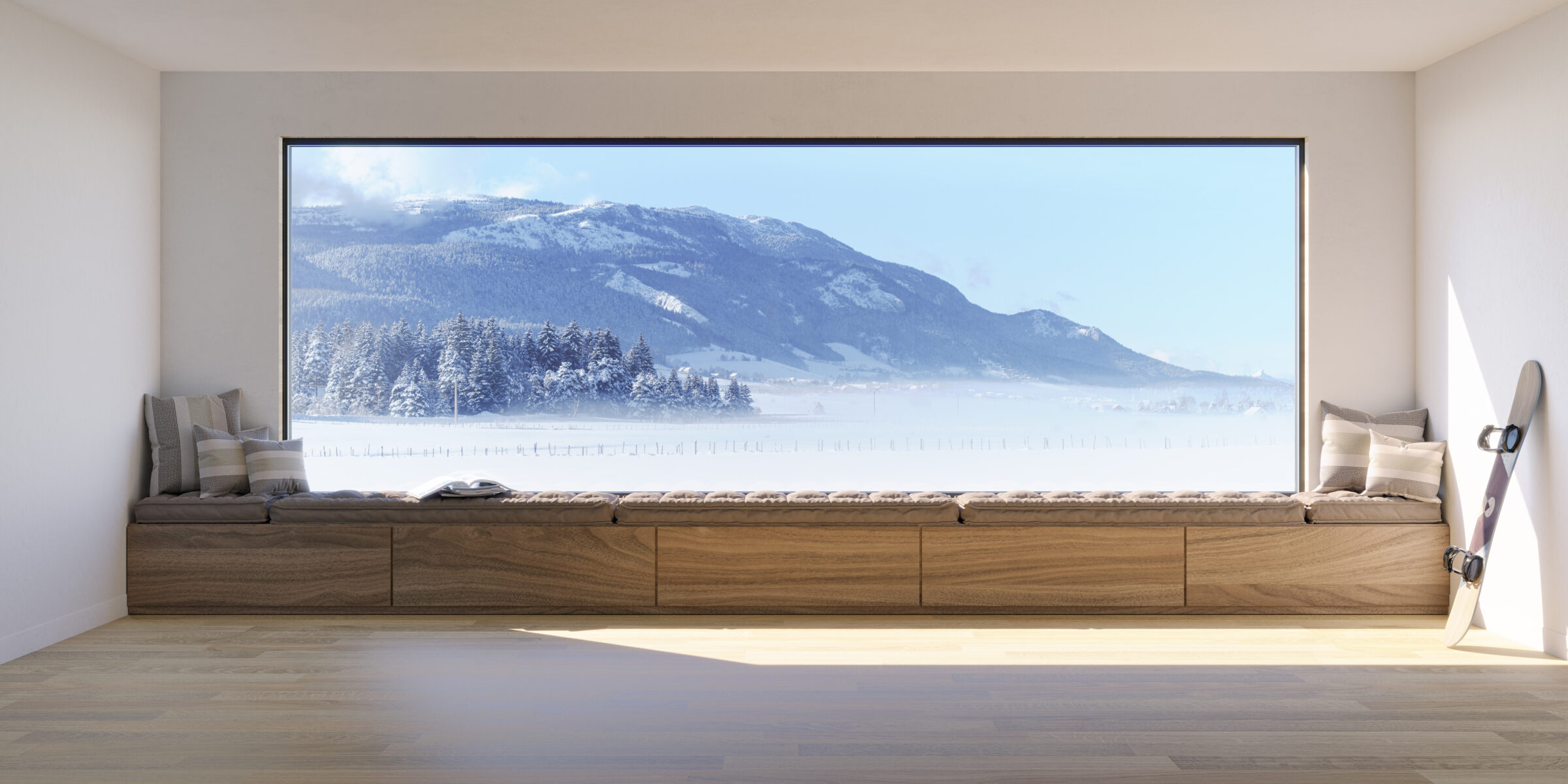
Cold weather places sustained demands on a home’s exterior walls, exposing how effectively the structure manages heat at its core. As temperatures drop, wall systems move from being a passive enclosure to an active component of energy performance. Homes built with insulated concrete forms are designed with this reality in mind, embedding thermal efficiency directly into the structure rather than layering it on afterward. This integrated approach allows homes to maintain warmth more consistently while supporting stable interior conditions throughout the winter season.
Integrating Structure and Insulation Into One Wall System
Insulated concrete forms serve as both the formwork and the permanent insulation for concrete walls. Rigid foam panels interlock on site to establish the wall layout, creating a cavity that is filled with reinforced concrete. Once cured, the concrete provides the structural backbone, while the foam panels remain in place to deliver continuous insulation on both sides of the wall.
By combining structure and insulation into a single system, thermal performance becomes inherent rather than dependent on secondary materials or post-framing additions. The concrete core contributes strength and longevity, while the foam panels create a uniform thermal barrier around the conditioned space. This integration ensures winter heat retention is consistent across the entire wall assembly, reducing reliance on layered construction methods that can introduce variability.
Reducing Heat Loss by Eliminating Thermal Bridging
Thermal bridging is a common source of heat loss in conventional wall systems, occurring where framing materials interrupt insulation. Wood studs and structural transitions allow cold temperatures to move through the wall assembly, diminishing overall performance and creating uneven interior conditions. Over time, this leads to increased heating demand and greater system strain.
Insulated concrete forms address thermal bridging through continuous insulation. The foam panels eliminate direct pathways for heat transfer, while the concrete core provides uninterrupted structural support. This design helps interior wall surfaces maintain more consistent temperatures, supporting efficient heat retention and reducing the fluctuations often experienced during prolonged winter conditions.
Leveraging Thermal Mass for Temperature Stability
The concrete within insulated concrete forms contributes an additional layer of winter performance through thermal mass. Concrete absorbs heat during periods of active heating and releases it gradually as indoor temperatures begin to cool. This behavior helps stabilize interior environments rather than allowing rapid temperature swings.
During colder months, thermal mass plays a key role in maintaining steady conditions overnight and during extreme cold events. Heat stored within the concrete core is released slowly, reducing the need for frequent heating cycles. When combined with continuous insulation, this process supports sustained warmth and balanced temperature control across interior spaces.
Creating a Tighter Building Envelope Against Cold Air
Uncontrolled air movement is another factor that affects winter comfort and energy efficiency. Gaps in framing, material transitions, and inconsistent insulation coverage allow warm air to escape while cold air enters the structure. These conditions increase heating demand and reduce overall performance.
Insulated concrete form construction improves airtightness by creating a solid, monolithic wall assembly. Once the concrete is poured, the wall contains fewer joints and penetrations than traditional framed systems. The foam panels further enhance air sealing, helping limit infiltration and supporting stable interior temperatures throughout the winter season.
Supporting Efficient Heating System Performance
When exterior walls retain heat effectively, heating systems operate under more consistent conditions. Instead of cycling frequently to compensate for heat loss, systems are able to maintain steady indoor temperatures with reduced effort. This stability supports predictable energy use and contributes to long-term system efficiency.
From a construction standpoint, insulated concrete forms simplify the path to reliable performance. By consolidating structure and insulation into one system, the likelihood of installation inconsistencies is reduced. The completed wall assembly performs as designed once winter conditions arrive, supporting dependable results without relying on multiple layers of coordination across trades.
For residential construction projects where durability, energy efficiency, and interior comfort are priorities, insulated concrete forms provide a proven structural solution. By embedding thermal control directly into the wall system, this approach supports winter-ready homes that perform reliably from construction through long-term occupancy.