

DIY Concrete Doorstep Repairs Before the Freeze Sets In
November 4, 2025
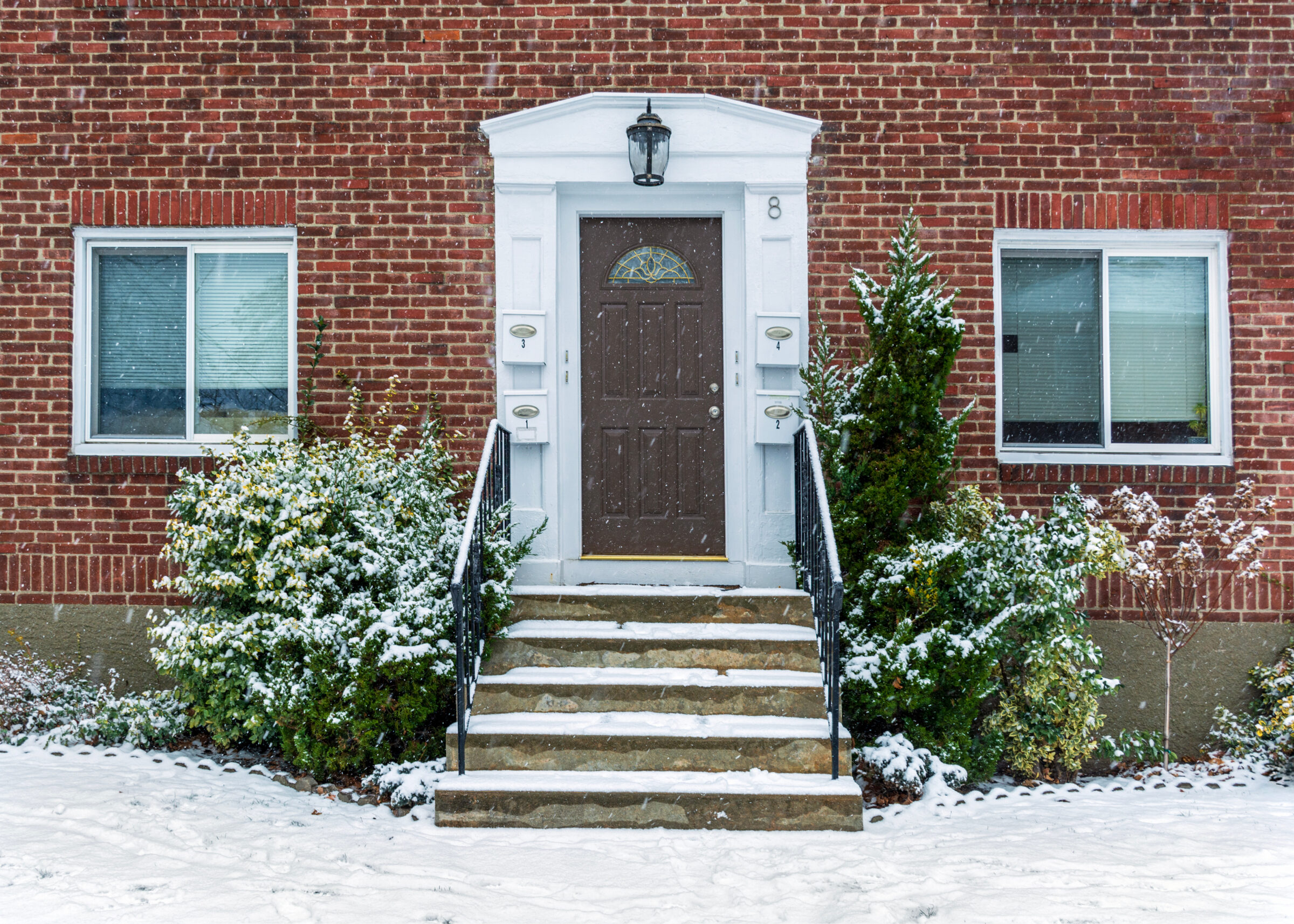
As temperatures begin to drop, the smallest fractures in a concrete doorstep can become points of weakness. Moisture finds its way into those fine lines, setting the stage for damage once winter’s freeze arrives. Before that happens, late fall offers a crucial window to repair, reinforce, and protect concrete surfaces, preserving both structure and appearance through the cold months ahead.
How the Freeze-Thaw Cycle Damages Concrete
When water inside concrete freezes, it expands with enough force to separate the material from within. Over time, this expansion widens cracks and causes surface scaling or flaking, especially on frequently used steps. Each freeze-thaw cycle intensifies the stress, breaking down the surface layer by layer. Addressing those early signs before winter ensures the structure remains stable, preventing minor flaws from turning into costly spring repairs.
Preparing the Surface for Repair
A durable repair starts with preparation. Any dirt, debris, or crumbling concrete needs to be removed to create a clean, stable base. A stiff wire brush or pressure washer clears away surface buildup, while a small chisel can loosen damaged areas that need to be erased before repair. After cleaning, the surface must be completely dry so that moisture trapped underneath the repair substance does not decrease adhesion and shorten the patch’s life.
From there, the damage needs to be assessed. Hairline cracks can often be filled with a specialized crack sealer, while deeper breaks or missing chunks call for something more substantial. Ready mix concrete is especially useful in this situation. It ensures uniform uniformity and strength in each batch, removing the uncertainty that frequently results to uneven repairs.
Using Ready Mix Concrete for a Lasting Fix
Ready mix concrete brings professional-level precision to a DIY repair. It is delivered with the correct proportions of cement, aggregates, and water already balanced for optimal performance. For outdoor applications like a doorstep, this consistency matters. It ensures the new material bonds securely to the old surface and cures with strength capable of handling foot traffic and fluctuating temperatures.
Using a trowel, firmly press the concrete into the crack or void, compacting it as you go to remove air pockets. Each stroke strengthens the link. Once it has been filled, smooth the surface to match the surrounding concrete. If the step has a textured or swept finish, softly reproduce it before the mix sets, allowing the repair to blend organically after curing.
Curing and Sealing Against Winter Conditions
Even the best repair depends on proper curing. As temperatures drop, concrete takes longer to set and requires protection from drying too quickly. Covering the repair with a damp cloth or plastic sheet helps retain moisture and promote even curing during those critical first 48 hours. The goal is strength and stability before the surface faces the stress of freezing conditions.
Once cured, sealing becomes the final layer of protection. A high-quality concrete sealer formulated for freeze-thaw resistance prevents water intrusion and shields the surface from de-icing chemicals, snow, and ice. It also helps maintain a consistent finish, tying the repair visually to the original step while locking in durability for seasons to come.
Concrete doorsteps frame an entryway, define a property’s appearance, and take the brunt of seasonal weather. Repairing and sealing them before the freeze is a form of preservation. With the right preparation, materials, and timing, ready mix concrete offers a straightforward path to a repair that endures. A well-executed repair today adds resilience to the structure, ensuring that when spring thaws the ground again, the concrete is as strong as the day it was constructed.