

6 Tips for Maximizing Drainage with High-Quality Aggregates
September 1, 2025
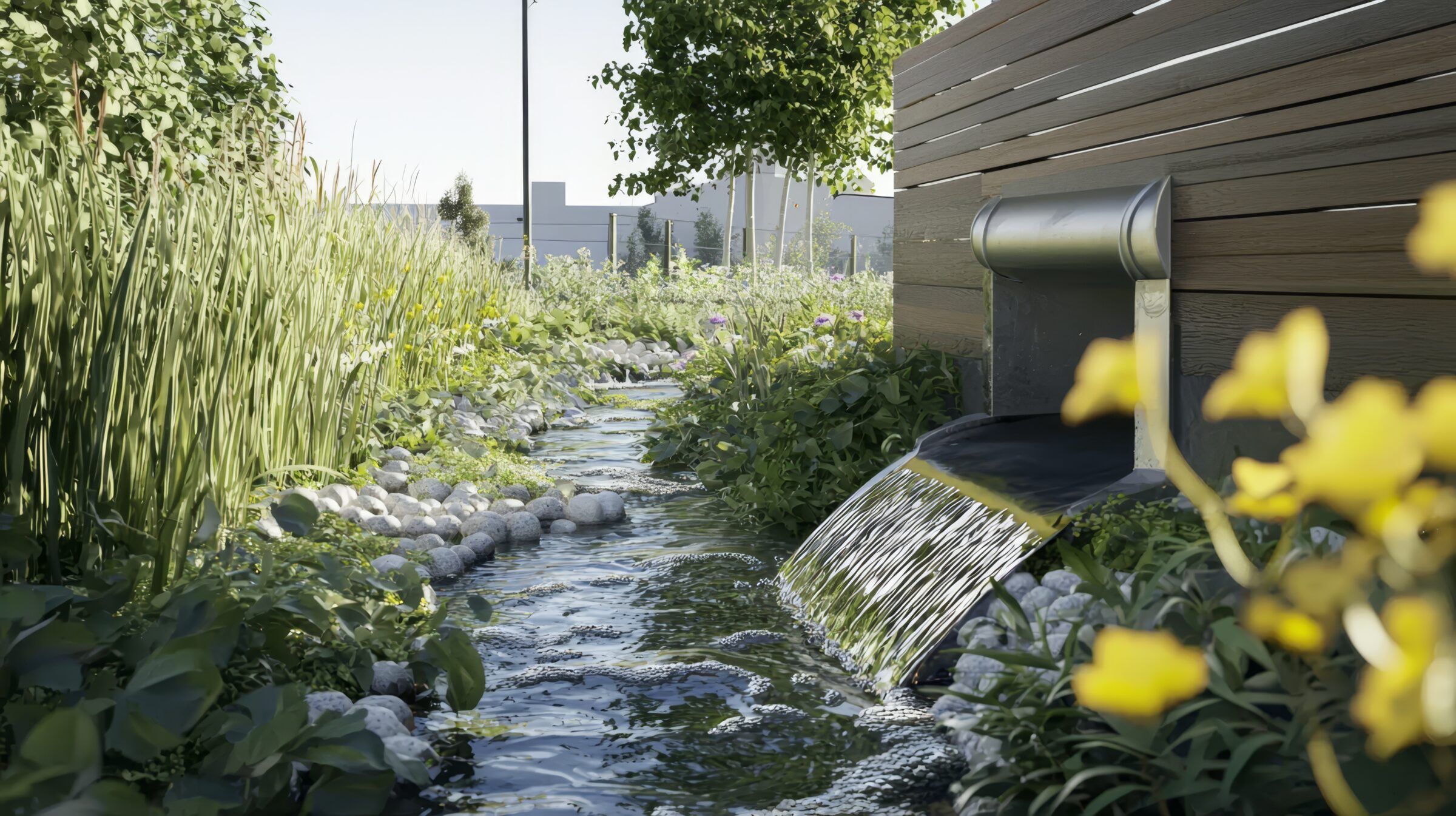
Water management is one of the most important factors in building long-lasting, resilient infrastructure. Whether for roadways, parking lots, landscaping, or stormwater systems, drainage plays a central role in preserving both structural integrity and safety. The proper aggregates can make all the difference in how effectively water moves away from a surface or foundation. High-quality aggregates not only improve performance but also extend the life of the overall project.
- Choose the Right Aggregate Size
Grading is an essential step when it comes to drainage. Larger aggregates, such as clean stone or gravel, create void spaces that allow water to pass through efficiently. Fine materials can clog these spaces, restrict flow and lead to pooling. The right aggregate base uses the appropriate gradation to balance strength with permeability. Selecting the proper size from the start ensures that drainage remains effective long after construction is complete.
- Prioritize Clean, Washed Aggregates
Clean aggregates are necessary for reliable water flow. Dust, clay, or other fines can coat the stone and reduce porosity, basically sealing off the pathways that water would normally use to escape. Washed aggregates provide a free-draining system, preventing moisture from being trapped within layers. Although this step may appear small, it can prevent significant issues with future water buildup.
- Design for Proper Layering
Effective drainage depends on a layered system comprised of larger stone at the base and progressively finer aggregates used above. This design allows water to move through while still supporting the surface material. Proper compaction between layers is equally important, ensuring stability without restricting flow all while transforming aggregates into a long-term drainage solution.
- Account for Soil Conditions
Soil plays a direct role in how water interacts with aggregates. Dense or clay-heavy soils slow infiltration and may require a more open aggregate base to compensate. However, sandy soils allow faster drainage but may require stabilization. High-quality aggregates can be tailored to the site’s natural conditions, preventing excessive runoff or water retention. Considering soil characteristics during design ensures drainage systems function at their highest potential.
- Incorporate Geotextiles for Added Performance
Geotextiles play a vital role in protecting aggregate systems from clogging over time. They prevent soil fines from migrating into the aggregate base while still allowing water to pass through, almost like a filter layer. When paired with clean, durable aggregates, geotextiles extend the life of drainage structures and reduce overall maintenance. This combination protects both the integrity and efficiency of the system.
- Work with a Reliable Aggregate Supplier
Quality control begins at the source. Partnering with an experienced supplier ensures that aggregates meet the specifications necessary for drainage-focused projects. Consistent gradation, cleanliness, and durability are essential to achieving the desired outcome. A trusted supplier not only delivers high-quality material but also provides guidance on selecting the appropriate products for the application.
The entire drainage process is about building systems that endure. With the right aggregates, water management becomes reliable, cost-effective, and long-lasting. From soil compatibility to supplier support, every choice in the process adds to the performance of the final structure. High-quality aggregates create solutions that continue to deliver value long after the project is completed.